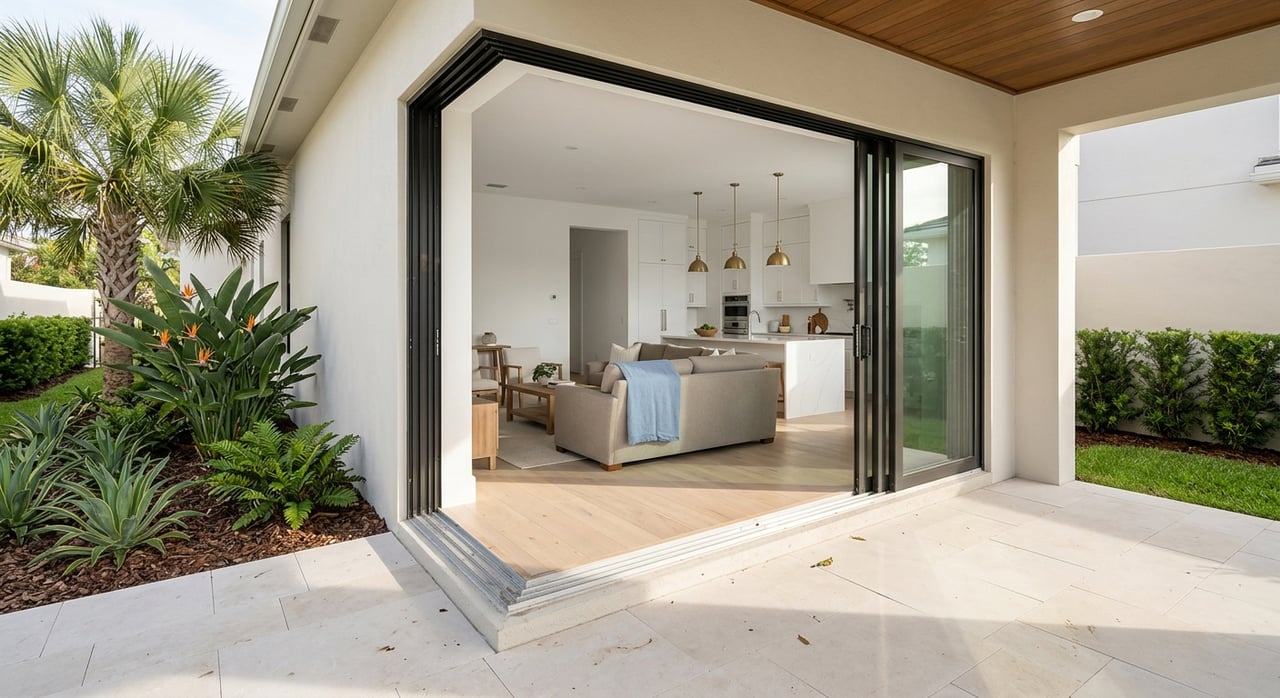
Buy New Construction in Wesley Chapel with Confidence
April 2, 2026
April 2, 2026
Thinking about buying a brand-new home in Wesley Chapel? It is easy to fall in love with the model, the finishes, and the promise of low-maintenance living, but new construction can come with fine print, shifting timelines, and costs that are not always obvious at first glance. If you want to buy with confidence and avoid expensive surprises, this guide will walk you through what to confirm before you sign, what to inspect during the build, and how to protect yourself all the way to closing. Let’s dive in.
Wesley Chapel sits in a fast-growing part of Pasco County, and that growth helps explain why so many buyers are exploring newly built communities here. The U.S. Census Bureau reports that Wesley Chapel had 64,866 residents in 2020, while Pasco County’s broader population has continued to grow.
In a market like this, you may see lot releases, incentive offers, and build timelines move quickly. That does not mean you should rush. It means you should be organized, ask better questions, and make sure the details you care about are documented before you commit.
One of the biggest new-construction mistakes is assuming the advertised price reflects the home you toured. In many communities, the base price may not include lot premiums, design selections, appliances, fixtures, window treatments, or other items that affect your final cost.
The Florida Bar’s homebuying guidance specifically notes that details like fixtures, appliances, and window treatments should be clarified in the contract. If it matters to you, do not rely on a conversation in the sales office. Make sure it is listed in writing.
The payment shown in a model home or online calculator may not tell the whole story. The Consumer Financial Protection Bureau says buyers should account for property taxes, homeowners insurance, mortgage insurance when applicable, HOA dues, closing costs, and prepaid expenses because calculators often understate the real monthly and upfront cost.
That matters in Wesley Chapel, where you may be comparing homes in master-planned communities with HOA dues and other recurring costs. A home that looks affordable at first glance can feel very different once all expenses are added in.
Before you sign, ask for an estimate that includes:
Builder incentives can sound attractive, especially when they advertise help with closing costs or interest-rate offers. But incentives tied to a preferred lender are not automatically the lowest-cost option over time.
According to Bankrate’s new-construction guidance, buyers can often negotiate price, lot premiums, and upgrades, and a builder-lender incentive does not always beat an outside lender on long-term savings. The smartest move is to compare the total loan cost, not just the headline incentive.
Ask these questions before choosing the builder’s lender:
A new-construction purchase agreement is one of the most important documents in your transaction. The Florida Bar explains that contract terms often cannot be changed after signing without seller approval, and it also notes that the best time to retain a lawyer is before the contract is signed.
That is especially important with homes under construction. You want to understand what happens if materials are substituted, if the finish package changes, or if the closing date is delayed. You also want clarity on what is included, what is excluded, and what deadlines apply to your deposits, financing, inspections, and walkthrough.
A new home is still a home under construction, and that means mistakes can happen. The National Association of Realtors notes that buyers can include a home inspection contingency, while Florida Realtors recommends phase inspections during the build.
For new construction, the most practical inspection schedule usually includes several checkpoints. These extra reviews can help you catch issues before walls are closed up or before your warranty period ends.
The Florida Bar also recommends a pre-closing walk-through and confirming that the county or municipality has issued a certificate of occupancy or completion. It may also be wise to consider a municipal lien search to check for open permits or lien issues.
Florida law now requires a builder to provide a warranty on a newly constructed home for one year after the earlier of title transfer or occupancy for construction defects that create a material violation of the Florida Building Code. The law also excludes items such as normal wear and tear, normal settling, purchaser-caused damage, and acts of God, according to Florida Statute 553.837.
The same statute says an express written warranty can replace the statutory warranty if it is at least as broad, transfers during the first year, and clearly states its longer terms. In plain English, the written warranty matters a lot, so you should read it carefully and compare it to the legal baseline.
If you notice a defect, document it early and in writing. Waiting too long can make the process harder, especially as the warranty deadline gets closer.
Design centers are built to tempt you, and it is easy to overspend when every option looks polished in the showroom. But not every upgrade adds enough long-term value to justify the cost.
Bankrate advises buyers to think carefully about which upgrades are worth paying for. If you are trying to buy without regrets, focus on upgrades that are difficult or disruptive to add later, and be cautious about expensive add-ons that may not improve resale value enough.
Prioritize upgrades that affect the home’s function, layout, or hard-to-change finishes. Be more selective with purely decorative choices that can be updated later at a lower cost. This approach helps you protect both your budget and future flexibility.
Some buyers assume they do not need representation when buying directly from a builder. In reality, having your own guidance can still make a big difference.
Florida Realtors reports that 89% of homebuyers purchased through a real estate agent, and many buyers rely on agents for help with price and negotiation. In new construction, your agent can help you compare communities, track promised features, keep deadlines on your radar, and flag contract terms that may need attorney review.
The Florida Bar also reminds buyers to review brokerage documents carefully and notes that the closing agent may not represent your personal interests. That is one more reason to make sure you understand who is representing whom from the start.
If you want to buy new construction in Wesley Chapel with fewer surprises, keep this checklist handy:
Buying a new home should feel exciting, not confusing. When you understand the contract, verify the costs, and stay proactive through inspections and warranty deadlines, you put yourself in a much better position to enjoy the process and the home you worked hard to buy.
If you are comparing new-construction communities in Wesley Chapel and want steady, data-driven guidance from start to finish, connect with Damla Burnukara for buyer representation that helps you stay informed, organized, and confident.
Stay up to date on the latest real estate trends.

Our clients commend us on our knowledge of real estate, negotiation skills, and our commitment to our clients, which allow us to make the transaction process less stressful.
13029 W LINEBAUGH AVE STE 101 TAMPA FL 33626