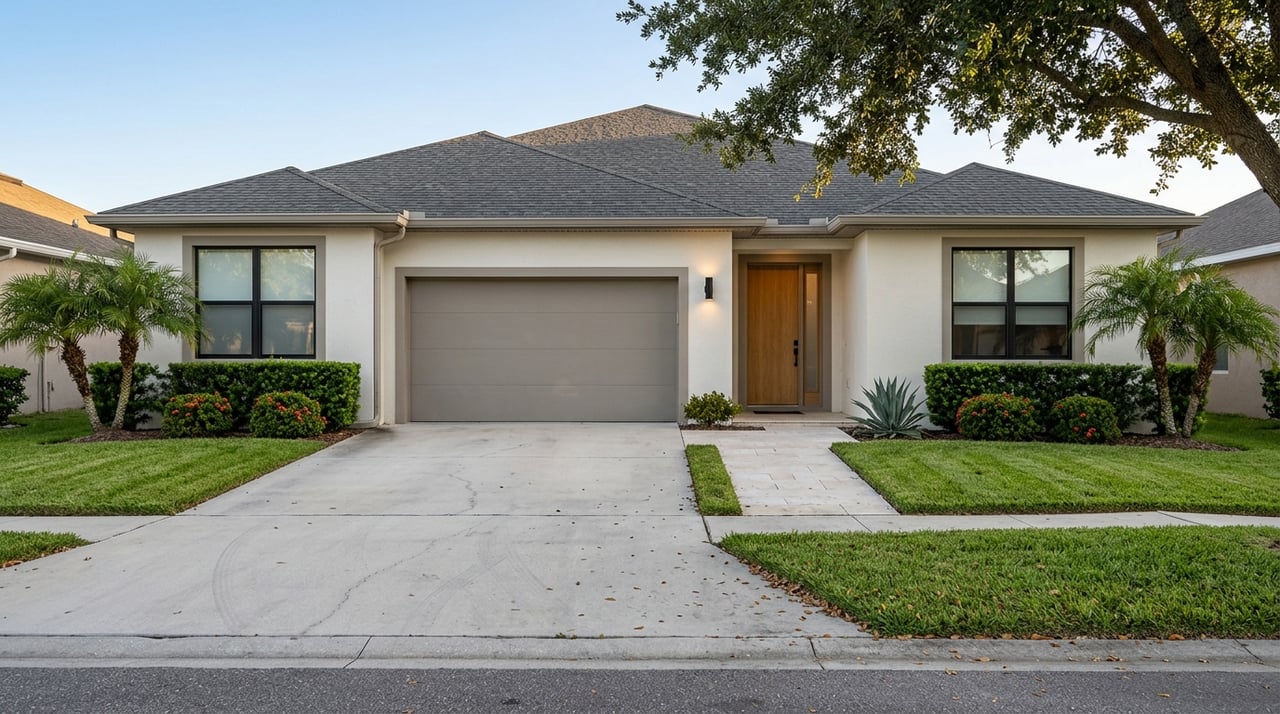
Clearwater Living Beyond The Beach: What Buyers Should Know
June 11, 2026
June 11, 2026
Wondering if Clearwater living is all beach sunsets and vacation energy? The truth is, buying in Clearwater means choosing between very different day-to-day lifestyles, and that choice can shape everything from your commute to your parking routine. If you are trying to decide whether the beach side or inland Clearwater fits you better, this guide will help you compare the real trade-offs so you can move forward with confidence. Let’s dive in.
Clearwater is a city of 116,811 residents, with a median household income of $66,381, a median owner-occupied home value of $361,300, and a mean commute time of 22.7 minutes. For buyers, that matters because Clearwater is not just a beach destination. It is also a full-time residential city with distinct living patterns depending on where you buy.
City planning documents show a clear split between the older, more walkable beach and downtown core and the more car-oriented areas farther east. In simple terms, Clearwater can feel coastal and compact in one area, then more suburban and spread out in another. That is why looking beyond the beach is so important when you start your home search.
Many buyers picture Clearwater as mostly condos near the water, but the housing mix is more balanced than you might expect. The city reports that 44% of housing is single-family detached, 6% is single-family attached, 43% is multifamily, and 7% falls into other categories. The city also reports a median year built of 1976 and an occupancy rate of 83%.
That mix gives you options. If you want a detached home with more yard space, you will find those in many mainland areas. If you prefer condo living, lower-maintenance ownership, or a more walkable setting, beach-adjacent and downtown areas may offer a better fit.
Neighborhoods next to downtown are among the oldest in Clearwater. The city says these areas often include smaller homes on smaller lots, with a large share of homes built before 1964. For some buyers, that can mean character, location, and proximity to the urban core.
It can also mean you should pay closer attention to layout, updates, and maintenance when comparing homes. In older parts of Clearwater, the location may be the biggest draw, while the home itself may require a more careful side-by-side evaluation.
Living near Clearwater Beach is about more than being close to the Gulf. The city describes Clearwater Beach and downtown as mixed-use, gridded, and walkable. That can make daily life feel easier if you like having restaurants, shops, and activity nearby.
At the same time, beach living comes with trade-offs. The city notes that beach parking is enforced every day, no public parking is allowed north of the Acacia Roundabout, and on-street parking costs $4 per hour with a five-hour limit. If you love the energy of a beach setting, those trade-offs may feel worth it. If you want easier day-to-day driving and parking, they may matter more.
Island Estates offers a middle-ground lifestyle between downtown and the beach. According to the city’s neighborhood plan, it includes everything from large single-family homes to multi-story condos, plus a commercial center with a grocery store, bank branches, a marina, office space, and dining. It also has only one ingress and egress point via Memorial Causeway, which means congestion can affect accessibility.
Sand Key has its own rhythm as well. The city describes it as a year-round residential community with restaurants, specialty shops, high-rise hotels, and condominiums. For buyers, that means beach-adjacent living is not one-size-fits-all, even within Clearwater.
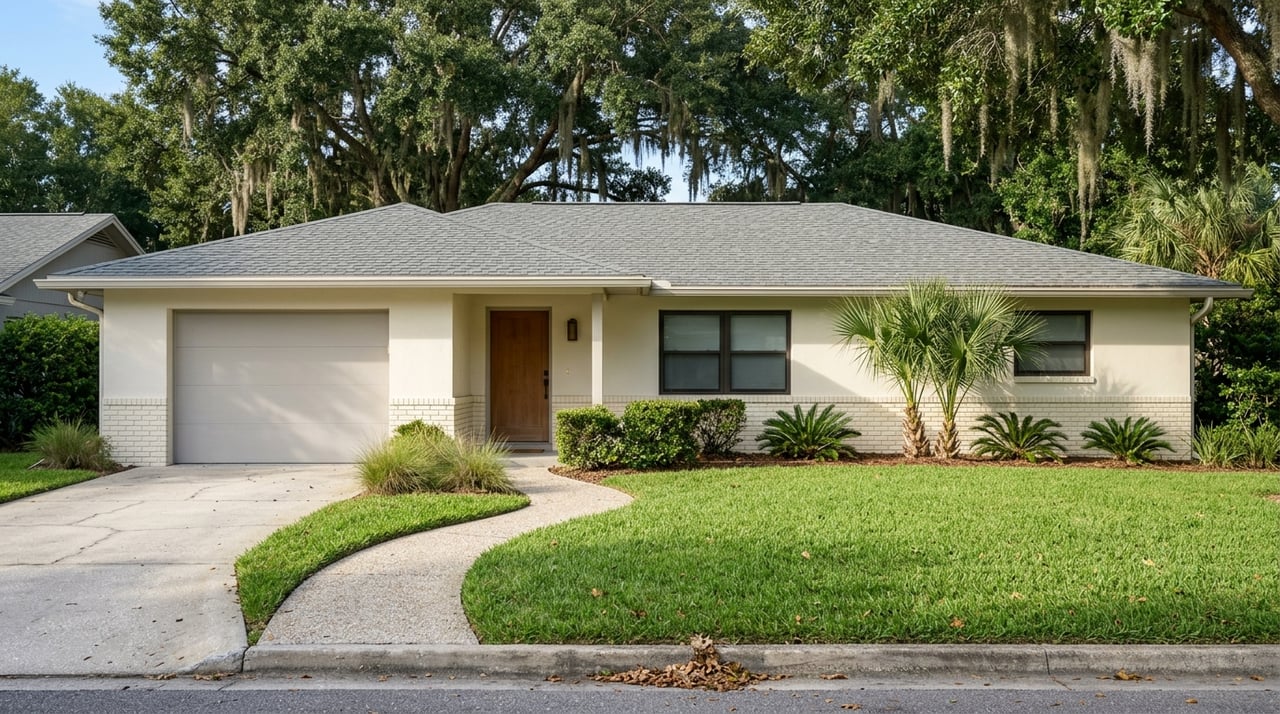
If your ideal home life includes easier errands, more detached homes, and a more traditional suburban pattern, inland Clearwater may be a better match. The city says the northeastern part of Clearwater, including Countryside, developed with larger lots, separated residential and commercial uses, and a stronger need for car ownership. That often appeals to buyers who want more space and a simpler daily routine.
The city also notes that single-family detached homes are more common in the north, south, and northeast parts of Clearwater. Multifamily housing is more common along US-19, near water, and near downtown. That can help you narrow your search based on the kind of property and lifestyle you want.
Countryside is a useful example of inland Clearwater living. Countryside Mall sits at US 19 and SR 580 and includes Whole Foods Market, a 12-screen movie theater, restaurants, a family play space, and an indoor ice-skating rink. For many buyers, that kind of convenience matters just as much as proximity to the beach.
This part of Clearwater can feel more routine-driven and practical. You may trade some walkability for easier parking, larger lot patterns, and quicker access to shopping and everyday errands.
Clearwater’s mean commute time is 22.7 minutes, which gives buyers a useful starting point when thinking about daily travel. Your actual experience, though, may depend heavily on whether you live near the beach, downtown, or farther inland. Access routes, parking conditions, and traffic patterns can feel very different from one area to another.
Clearwater does offer several transportation options. The city highlights the Jolley Trolley, Clearwater Ferry, and PSTA transit service, along with access to Tampa International Airport and St. Pete-Clearwater International Airport. That can be especially helpful if you want alternatives to driving for certain trips.
PSTA Route 19 connects Countryside Mall, SPC Clearwater, Clearwater Mall, and Largo Transit Center. Route 60 connects Downtown Clearwater, Park Street Terminal, Clearwater High School, and Clearwater Mall. Route 61 connects Downtown Clearwater, Greenwood Recreation Center, Clearwater North Greenwood Library, and Countryside Mall.
The Clearwater Ferry runs between Coachman Park, Clearwater Beach, and Dunedin. If you want to live inland but still enjoy beach access without always relying on your car, that can be a practical part of your lifestyle.
Parking is one of the biggest real-world differences between beach and inland living. On Clearwater Beach, parking lots and on-street spaces are enforced every day. That can affect not only your own routine, but also how guests, family, or service providers experience your area.
Downtown Clearwater works differently. The city says on-street parking is $1 per hour with a five-hour limit, while lots are $0.75 per hour with unlimited time during enforcement hours. Most downtown parking is also free on evenings, weekends, and holidays, except Lot 11 by the marina.
For buyers comparing locations, this matters more than it may seem at first. A home that looks ideal on paper may feel very different once you factor in parking rules, visitor access, and how often you expect to be in and out.
If you are buying in beach-adjacent Clearwater, flood planning should be part of your early research. The city provides property-level flood and elevation data and makes an important distinction between flood zones and evacuation zones. Flood zones relate to property flood risk, while evacuation zones relate to hurricane storm surge.
That means you should not assume the two are the same. The city advises buyers to check the flood map, identify their evacuation zone, and purchase flood insurance where appropriate. If you are considering a coastal or near-water property, this is one of the most practical steps you can take before making an offer.
One of the biggest surprises for some buyers is how much outdoor access Clearwater offers away from the beach. The city says its trail system connects recreational, commercial, and residential destinations. It specifically highlights the Ream Wilson Clearwater Trail, Courtney Campbell Trail, Pinellas Trail, and Duke Energy Trail.
That means inland Clearwater can still feel connected to an active, outdoor lifestyle. You may not be steps from the sand, but you can still have convenient access to trails, green space, and water-oriented recreation.
Countryside Community Park connects directly to the Duke Energy Trail and includes playgrounds, sports fields, exercise equipment, and walking trails. Ed Wright Park in Lake Belleview offers fishing, walking trails, tennis, and pickleball. Bayview Park includes a half-mile nature trail, native vegetation, a beach overlook, and a kayak launch.
For buyers who want regular outdoor options close to home, these amenities can make inland neighborhoods feel more complete. They also reinforce that Clearwater living is not limited to the beach itself.
Downtown Clearwater is not just an event area. The city’s redevelopment plan describes downtown as a place to live, work, shop, and play. That makes it an important part of everyday life for many residents, whether they live nearby or visit often.
The Clearwater Harbor Marina sits next to Coachman Park and offers trolley and bus service plus water taxi access. The city also describes the Cleveland Street district as home to numerous shops, restaurants, and art galleries. For buyers, downtown can offer a useful middle ground between beach energy and inland practicality.
The best way to think about Clearwater is through trade-offs, not labels. Beach-adjacent areas tend to offer more walkability, more condo living, and easier access to visitor-oriented amenities, but they also bring more parking pressure, more traffic, and more flood-planning considerations. Inland areas tend to offer larger lots, more detached homes, and easier car-based routines, along with strong access to parks, shopping, and local recreation.
Neither option is automatically better. The right choice depends on how you want to live every day, not just how you want your weekends to look. If you want help comparing neighborhoods, property types, or relocation options in Clearwater and across Tampa Bay, connect with Damla Burnukara.
Stay up to date on the latest real estate trends.
Our clients commend us on our knowledge of real estate, negotiation skills, and our commitment to our clients, which allow us to make the transaction process less stressful.
13029 W LINEBAUGH AVE STE 101 TAMPA FL 33626