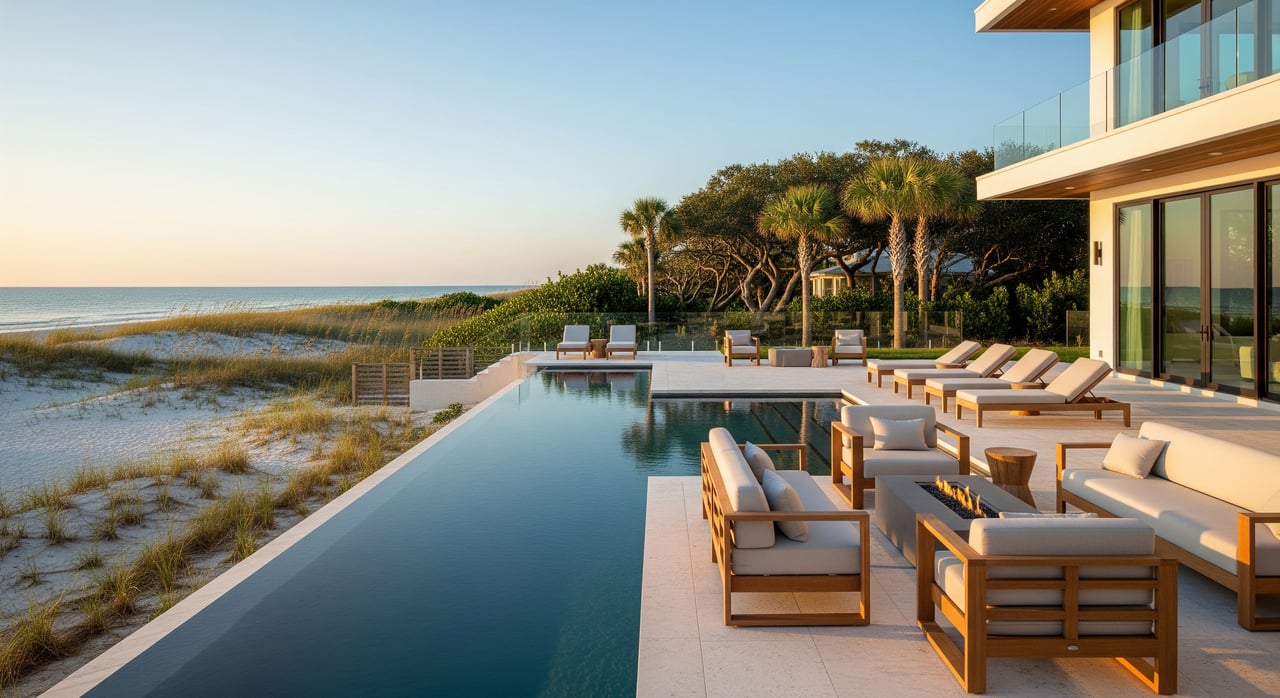
Clearwater Neighborhoods Comparison: Beachside vs Inland
February 5, 2026
February 5, 2026
Torn between sunrise walks on Clearwater Beach and the space of a larger inland home? You are not alone. Many buyers weigh water views and walkability against budget, insurance, and commute. In this guide, you will compare homes, costs, lifestyle, and risk so you can choose the Clearwater neighborhood that fits how you want to live. Let’s dive in.
Beachside neighborhoods sit on barrier islands next to the Gulf. You are close to sand, marinas, and beach amenities, but also more exposed to coastal weather. Inland Clearwater is on the mainland. You still access water by canals and lakes, but you are set back from direct Gulf exposure.
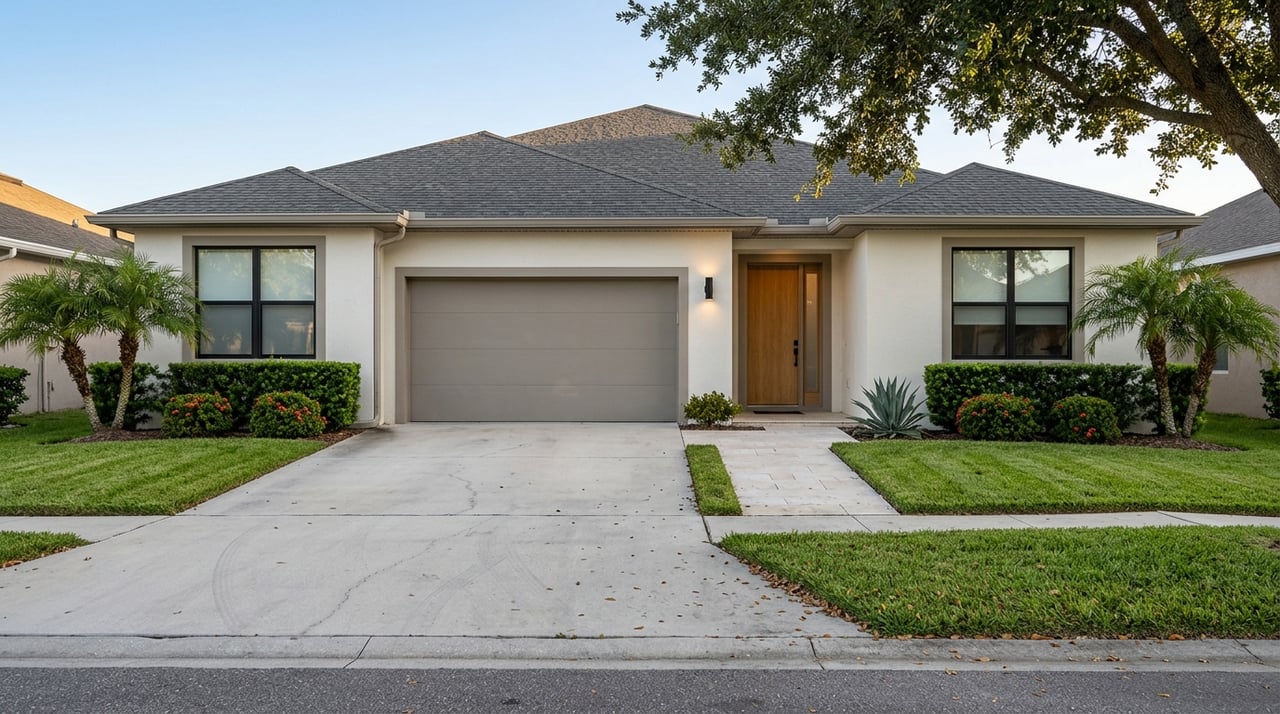
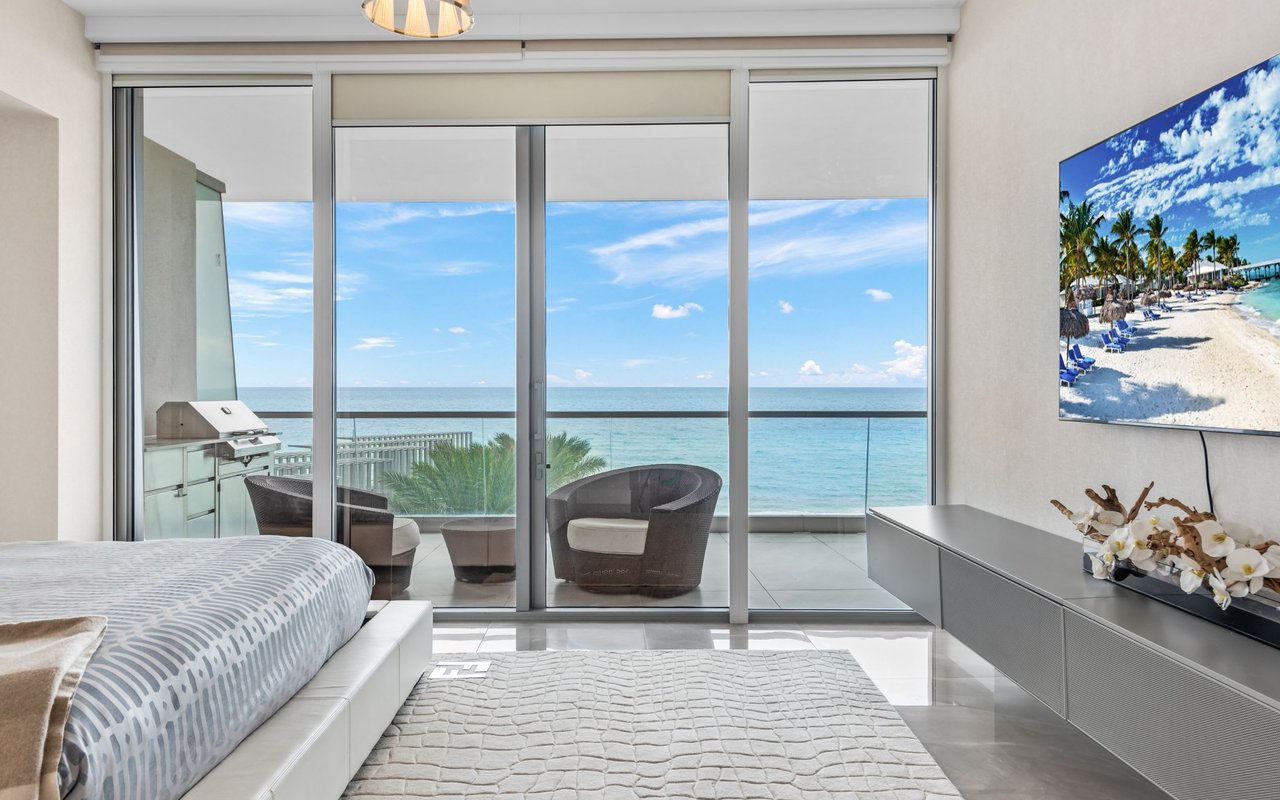
On the beachside, condominiums dominate. You will see high-rise towers with shared pools, gyms, and security, plus some townhomes and a few single-family homes on smaller lots. Inland neighborhoods offer a broader mix, including single-family homes with yards and garages, garden-style condos, duplexes, and newer infill or master-planned communities.
Beachside living usually commands a premium per square foot, especially for units with water views. HOA or condo fees tend to be higher because of elevators, amenities, and coastal maintenance. Inland areas are generally more affordable for the space you get, often with lower or no HOA fees.
If you want a move-in ready condo with on-site amenities and low exterior upkeep, beachside buildings are built for that. Many buildings also cater to seasonal residents and, where allowed, short-term rentals. New construction on the beach is limited due to lot scarcity and coastal rules.
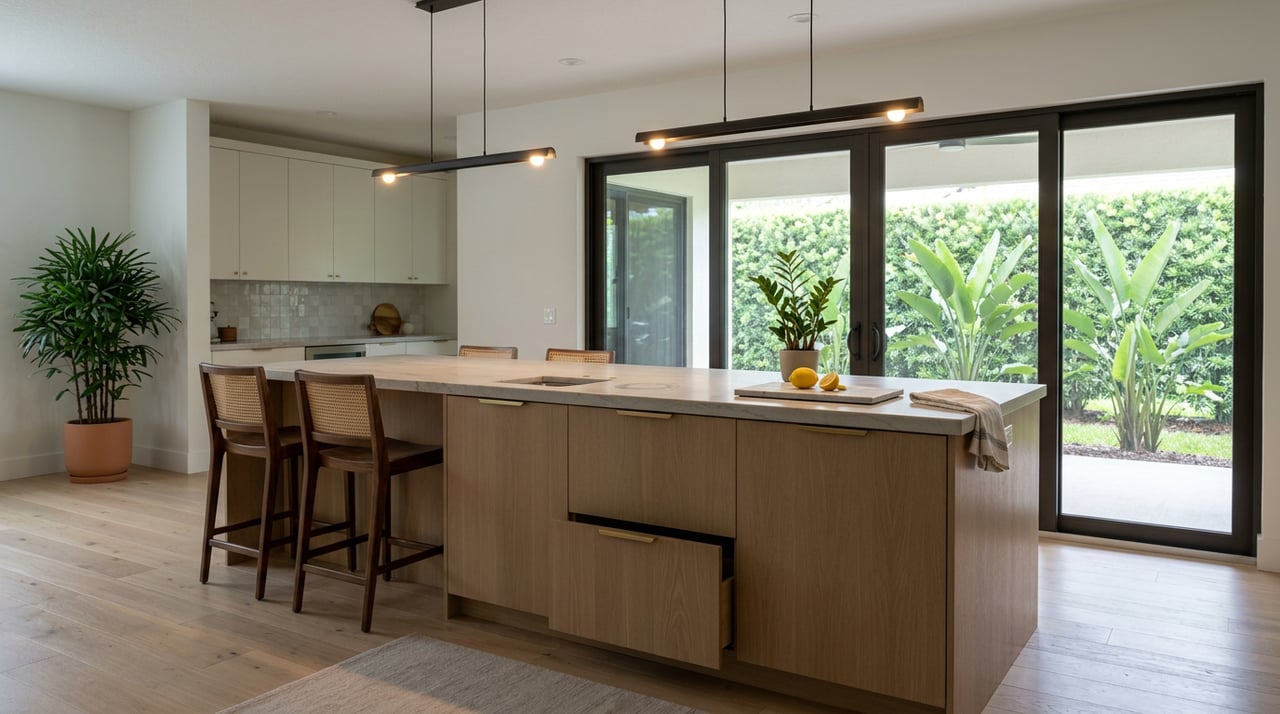
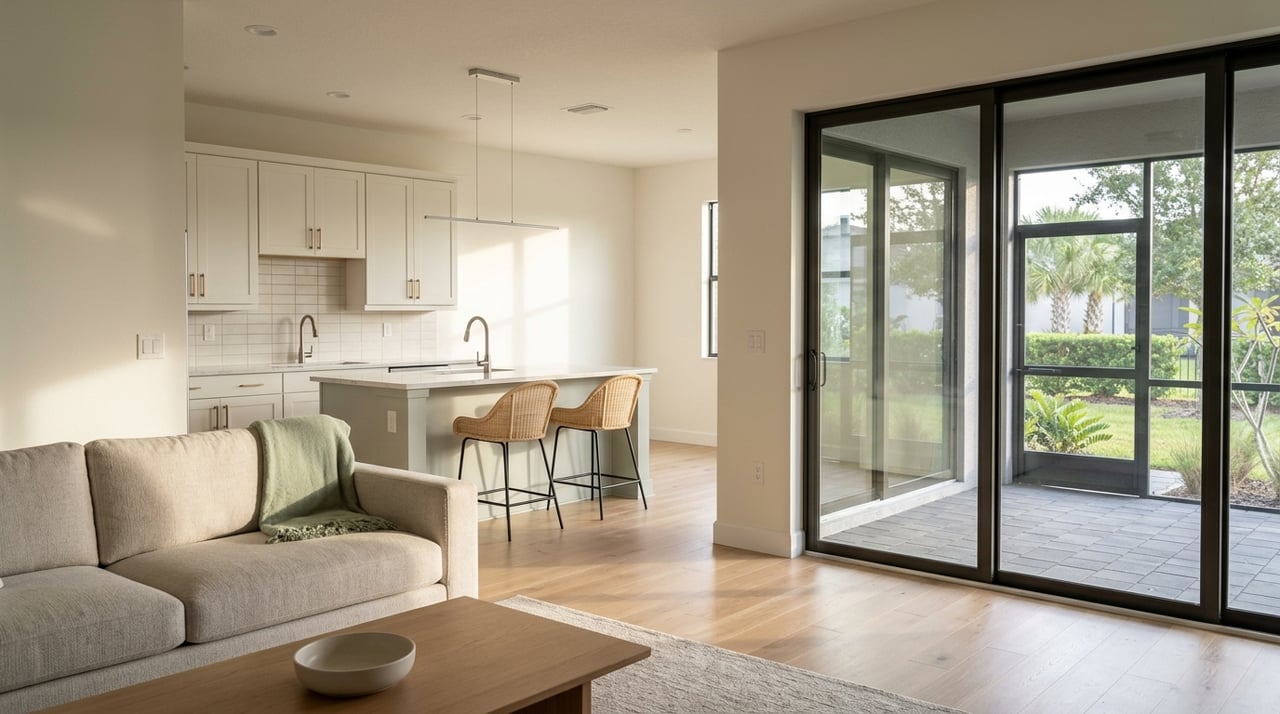
If you want a larger living area, extra bedrooms, or a yard for pets, your search will likely lean inland. You will find established mid-century neighborhoods, ranch-style homes, and newer infill options. Inland areas also offer more flexibility for garages and private pools.
Beachside properties often lead on price per square foot. You also need to budget for higher HOA or condo fees to cover building upkeep, elevators, coastal corrosion prevention, and amenities like pools, security, and beach access. Inland homes may have lower monthly fees or none at all. For current numbers, review local MLS data or Tampa Bay market reports, since pricing shifts with inventory and season.
Insurance can be a major factor in Florida. Coastal homes usually have higher wind and flood-related premiums and a smaller set of carriers. Inland homes often have lower flood risk, though wind coverage remains a consideration statewide. Salt air near the beach can shorten the life of exterior metals, HVAC components, railings, and finishes, so plan for more frequent maintenance and replacements on the coast.
Property taxes are assessed by Pinellas County. Florida homestead exemptions and the Save Our Homes cap may apply if this is your primary residence. Confirm details and eligibility with the Pinellas County Property Appraiser before you buy.
Beachside areas face higher exposure to storm surge and wave action. Many parcels fall within FEMA Special Flood Hazard Areas, often V or AE zones that call for elevated construction. Inland neighborhoods have less surge risk, but localized flooding can still happen near creeks, canals, and low spots.
Start your review by checking the address on the FEMA Flood Map Service Center. For parcel-level local layers and floodplain information, use the Pinellas County floodplain maps. If you need more detail, local engineering firms can model surge and elevation for specific properties.
If a property lies in a FEMA Special Flood Hazard Area and you use a mortgage, your lender will usually require flood insurance. Coverage is available through the National Flood Insurance Program and some private carriers. Learn more about coverage options on the NFIP FloodSmart website. Elevation Certificates can make a big difference in premiums by showing the finished-floor height relative to Base Flood Elevation.
Florida policies may split wind coverage or include it based on the carrier. Availability and pricing change with market conditions. The Florida Office of Insurance Regulation publishes updates about carriers and market health. If you cannot find private coverage, Citizens Property Insurance Corporation serves as the insurer of last resort. Ask for wind mitigation inspections and credits for features like impact protection or roof-to-wall attachments.
If you prioritize walking to restaurants, bars, shops, and the sand, the beachside fits well. Tourist infrastructure is robust, and there are frequent events. Expect more foot traffic and noise, especially in peak season. Inland, you will find quieter streets and easy access by car to larger grocery stores, regional shopping centers, and community parks.
On the beach, parking is a premium. Many areas have paid parking or limits for guests, and seasonal congestion can add time to everyday errands. Inland, parking is generally simpler with private driveways and garages, and traffic patterns are more predictable outside major corridors.
If you work in Tampa or St. Petersburg, commute planning matters. Inland Clearwater connects to east-west routes like Gulf-to-Bay Boulevard and the regional highway system with fewer bridge constraints. Beachside residents rely on causeways and bridges, which can back up during tourist season or events. For public transit and trolley routes, check schedules with the Pinellas Suncoast Transit Authority.
Short-term rentals are popular on the beach, but rules vary by building and neighborhood. Some condo associations limit minimum stays and guest parking. The City of Clearwater can have licensing and enforcement standards that change over time. Always verify current ordinances and permit requirements with the City of Clearwater Planning and Development, and confirm HOA or condo bylaws before you buy.
Choose beachside if you want immediate beach access, views, and a walkable, resort-like lifestyle. It can also fit investors where short-term rentals are allowed, or downsizers who value concierge-style condo living. Expect higher HOA fees and more seasonal activity.
Choose inland if you want more space for the dollar, yard potential, a quieter neighborhood feel, and straightforward access to shopping, schools, and services. If you commute to Tampa or St. Petersburg, inland routes can be more direct.
Use this list to compare properties on both sides before you write an offer.
Your best-fit Clearwater home depends on your daily routine, budget, and comfort with coastal risk and maintenance. Our team guides you through flood zone mapping, insurance quotes, HOA reviews, and on-the-ground lifestyle insights so you can compare beachside and inland options with confidence. When you are ready, we will set up targeted tours and line up data that shows true costs, not just list prices.
Ready to find your Clearwater fit without second-guessing? Connect with Damla Burnukara for a tailored plan, on-demand tours, and local insight that speeds up your decision.
Stay up to date on the latest real estate trends.
Our clients commend us on our knowledge of real estate, negotiation skills, and our commitment to our clients, which allow us to make the transaction process less stressful.
13029 W LINEBAUGH AVE STE 101 TAMPA FL 33626