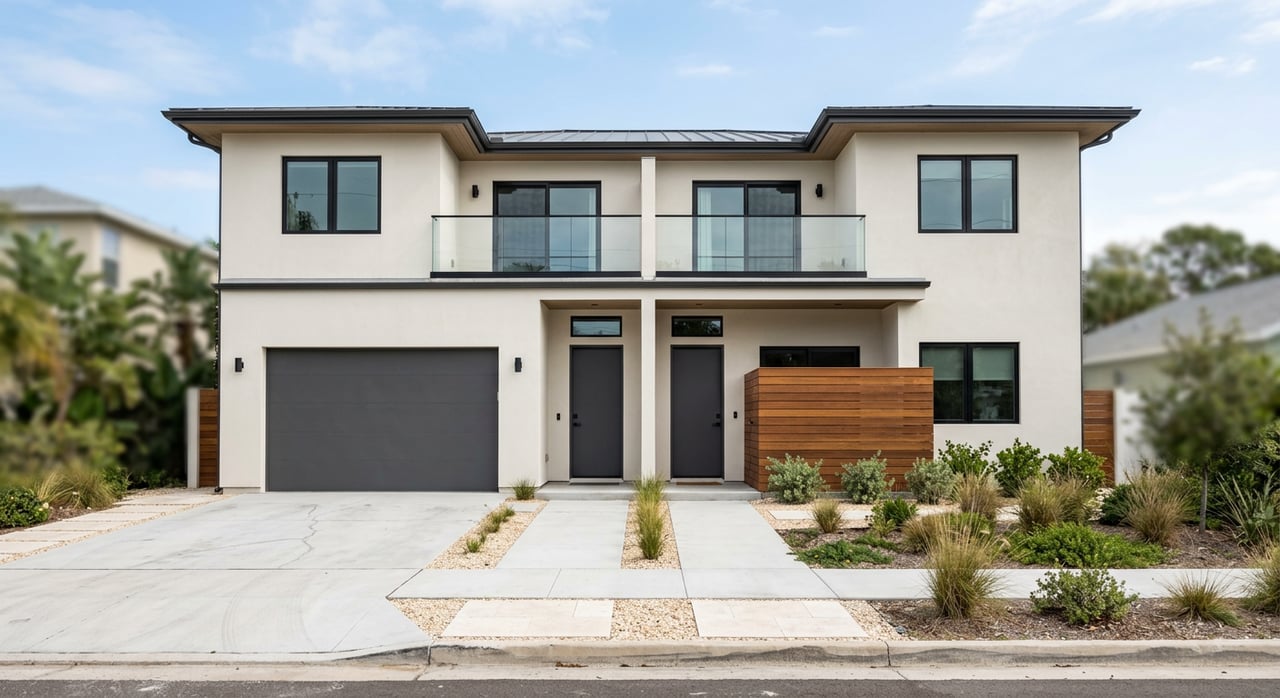
St Petersburg Rental Property Guide for Investors
March 5, 2026
March 5, 2026
If you are eyeing St. Petersburg for a rental investment, you are in good company. The market blends strong tourism, a growing employer base and steady year‑round demand. The catch is that rules, taxes and permitting can reshape your strategy and your returns. In this guide, you will learn what rental types work best, how city and county rules affect short stays, what taxes to plan for, and how to underwrite cap rates with realistic assumptions. Let’s dive in.
Long‑term single‑family homes and condos are straightforward to operate and face fewer permitting hurdles. You can model stable rent, lower turnover and predictable expenses. In many residential neighborhoods, this is the cleanest path to consistent cash flow.
If you want higher nightly rates without operating a true short‑term rental, consider 30–90 day furnished leases. St. Petersburg’s hospitals, finance firms and corporate relocations create steady demand from traveling professionals and medical visitors. Mid‑term leases also avoid some of the local short‑term scrutiny while keeping pricing flexibility.
Peak season can look lucrative, especially near the beaches or Downtown. But inside St. Petersburg city limits, frequent short stays are treated as a separate “transient accommodation” use with strict limits in most residential zones. You must verify zoning first and understand the approval path before you buy or furnish.
In most residential zones, you may only offer stays under 30 days up to three times in any 365‑day period unless the parcel is in a district that allows transient lodging or you obtain a Resort Facilities Overlay. The city’s guide explains definitions, limits and the overlay process in detail. Review the City of St. Petersburg Short‑Term Rentals handout to confirm what is allowed on a specific parcel before you plan an STR strategy. You can find these definitions and the overlay path in the city’s official handout at the Short‑Term Rentals HANDOUT provided by the city.
See the City of St. Petersburg Short‑Term Rentals handout
If your property is outside a municipality, Pinellas County runs a Certificate of Use program for short‑term rentals. Owners must apply, pass a life‑safety inspection and follow occupancy, parking and guest‑posting rules. Build these requirements into your management plan and budget.
Review the Pinellas County STR Certificate of Use program
At the state level, any unit rented for less than 30 consecutive days more than three times in a calendar year (or advertised as such) is a licensable vacation rental that needs a DBPR public‑lodging license. A state license does not override local zoning or HOA rules, so you must comply with both.
Confirm DBPR licensing triggers
Many associations set minimum lease lengths or prohibit short‑term stays. Always review the governing documents and application procedures early. Private rules can be more restrictive than city or county allowances.
Pinellas County charges a 6% Tourist Development Tax on accommodations rented for six months or less. You register and file with the county tax collector. Some marketplaces may collect on your behalf, but you remain responsible if they do not remit correctly.
Understand Pinellas County’s 6% bed tax
Florida levies a 6% state sales tax on transient rentals. Pinellas also applies a discretionary sales surtax. You file state sales tax and the local surtax with the Florida Department of Revenue. Model the state 6% plus the local surtax alongside the 6% county bed tax in your rates.
Review Florida sales tax basics
Airbnb, VRBO and others may collect some taxes for marketplace bookings, but policies vary. The Pinellas County Tax Collector details who collects what. Confirm registrations and reporting so your filings stay current.
Check platform collection guidance
Visit St. Pete–Clearwater’s bed‑tax reports show how peak tourism funds local promotion and beach projects. High visitor months like spring and winter “snowbird” season can boost furnished demand near beaches and Downtown. Use these reports to benchmark peak and shoulder periods when projecting occupancy.
Track seasonality with local bed‑tax trends
St. Petersburg’s employer mix supports steady rental need beyond tourism. Large organizations like Raymond James and major healthcare systems attract traveling professionals, relocations and medical visitors, which helps furnished mid‑term units near job centers.
See Raymond James employer profile context
Market rental guides place median asking rents in roughly the $1,500 to $2,200 range depending on unit size, with Downtown and beach‑adjacent areas commanding higher rates and faster lease‑ups. Use recent month‑level series when modeling the first year.
Check recent St. Petersburg rent trends
Use cap‑rate ranges as an early filter, then verify with real‑time comps and your financing. Recent snapshots indicate:
See statewide multifamily cap context
Review small‑multifamily and market dynamics
These areas typically deliver strong rent per square foot for 1‑bed condos and professionally managed apartments. They also work well for furnished mid‑term stays tied to business and events. Verify zoning for any short‑term ambitions.
Pass‑a‑Grille, St. Pete Beach, Treasure Island and Gulfport see strong seasonal demand. Municipal rules vary, and many transient uses are concentrated in commercial or tourist zones. Always confirm municipal codes, county Certificate of Use rules if applicable, and any HOA or condo restrictions.
These residential areas away from the waterfront can offer lower entry prices and stable long‑term rental demand. Because city rules limit frequent short stays, many investors focus on 12‑month leases or mid‑term furnished placements here.
Review the city’s STR enforcement context
Watch multifamily market dynamics
Follow local tourism tax discussions
The strongest St. Petersburg rental plays start with the rules. Inside city limits, frequent sub‑30‑day stays are limited in most residential zones, which pushes many investors toward long‑term leases or mid‑term furnished housing near hospitals, finance hubs and Downtown. Beach‑area properties can perform well seasonally, but only when zoning, municipal rules and association documents align. Underwrite conservatively, include all taxes and insurance, and compare long‑term versus mid‑term cases before you write an offer.
Ready to evaluate a property or build a Pinellas rental plan? Our team pairs neighborhood‑level insight with clear, data‑driven underwriting. Connect with Damla Burnukara to explore listings, run numbers and move forward with confidence.
Stay up to date on the latest real estate trends.
Our clients commend us on our knowledge of real estate, negotiation skills, and our commitment to our clients, which allow us to make the transaction process less stressful.
13029 W LINEBAUGH AVE STE 101 TAMPA FL 33626